Veterinary Surgery in Thief River Falls, MN
Valley Animal Hospital performs veterinary surgery for dogs and cats in Thief River Falls, MN. Available procedures include spays, neuters, mass removals, abdominal surgery, and selected urgent procedures, with each case evaluated before surgery is scheduled.
When Surgery Becomes Part of a Care Plan
Surgery may be recommended as part of preventive care, to address an identified condition, or after an urgent examination. The members of our veterinary team evaluate each patient, explain the proposed procedure, and provide preparation and recovery instructions based on the individual dog or cat.
Veterinary Surgery FAQs
Surgical recommendations depend on the pet’s condition, examination findings, and the type of procedure being considered. These answers explain available surgeries, urgent evaluations, preparation, orthopedic coordination, and recovery for dogs and cats.
What veterinary surgeries does Valley Animal Hospital perform?
Valley Animal Hospital performs spays, neuters, mass removals, abdominal procedures, and other soft-tissue surgeries for dogs and cats. Foreign-body procedures and C-sections may also be performed when an examination shows that surgery is necessary.
Is orthopedic surgery available?
The clinic coordinates orthopedic surgery for pets with a traveling orthopedic surgeon from Detroit Lakes. Valley Animal Hospital consults with the surgeon to determine whether a procedure is warranted and to arrange scheduling.
What should I expect during my pet’s recovery?
Recovery depends on the surgery performed and the pet’s overall condition. Owners receive instructions for medication, feeding, activity restriction, incision care, and follow-up when applicable. Contact the clinic if recovery does not progress as described.
Does the clinic provide emergency surgery?
Emergency surgeries are not automatically available on a walk-in basis. Valley Animal Hospital schedules an urgent surgical procedure only after examining the pet and determining that surgery is medically necessary. Owners should call during clinic hours rather than submitting an online request for an urgent concern.
How should I prepare my pet for surgery?
Preparation varies by procedure and patient. The clinic will provide instructions regarding arrival, food, medications, and other considerations. Follow the directions given for your dog or cat and call before the procedure if anything is unclear.
What to Expect Before and After Pet Surgery
The surgical process begins with an evaluation of the pet’s health, symptoms, medical history, and reason for the proposed procedure. Veterinary diagnostics and imaging may help the veterinarian assess the condition or plan care. Existing wellness and preventive care records can also provide useful context.
Before surgery, the clinic will explain preparation instructions, the planned procedure, and what owners should expect on the day of care. Follow the instructions provided for your individual pet rather than relying on general online guidance. The recommended process may differ according to the procedure, age, medical history, and current condition.
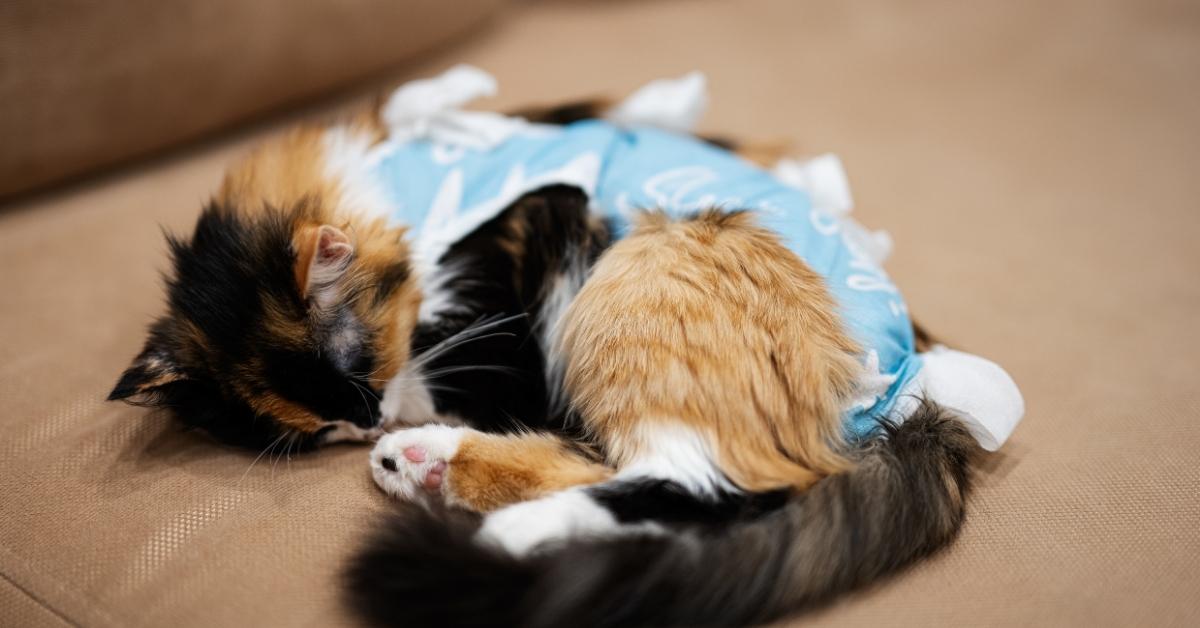
Afterward, clients receive directions covering medication, feeding, activity, incision care, and follow-up when applicable. Recovery requirements differ between a routine spay or neuter and a more involved abdominal or emergency procedure. Call the clinic if your pet develops unexpected symptoms, interferes with the surgical area, or is not recovering as described.
Coordinated Care Around Veterinary Surgery
Thoughtful preparation and clear aftercare support a safer recovery process
Surgical care may involve examination, laboratory testing, imaging, preventive health records, and follow-up planning. Explore all veterinary services at Valley Animal Hospital to understand how different areas of care can support a surgical patient.

Case Review
Each procedure is considered in relation to the pet’s condition, medical history, examination findings, and the expected purpose of surgery.

Recovery Support
Individual instructions give owners practical guidance for medications, feeding, activity, incision care, follow-up, and signs that warrant a call.