Pet Laser Therapy in Thief River Falls, MN
Valley Animal Hospital offers veterinary laser therapy for eligible dogs and cats in Thief River Falls, MN. Because treatment uses and protocols vary, the clinic evaluates each patient before recommending laser therapy and explains how it may fit within the pet’s broader care plan.
An Individual Approach to Laser Therapy
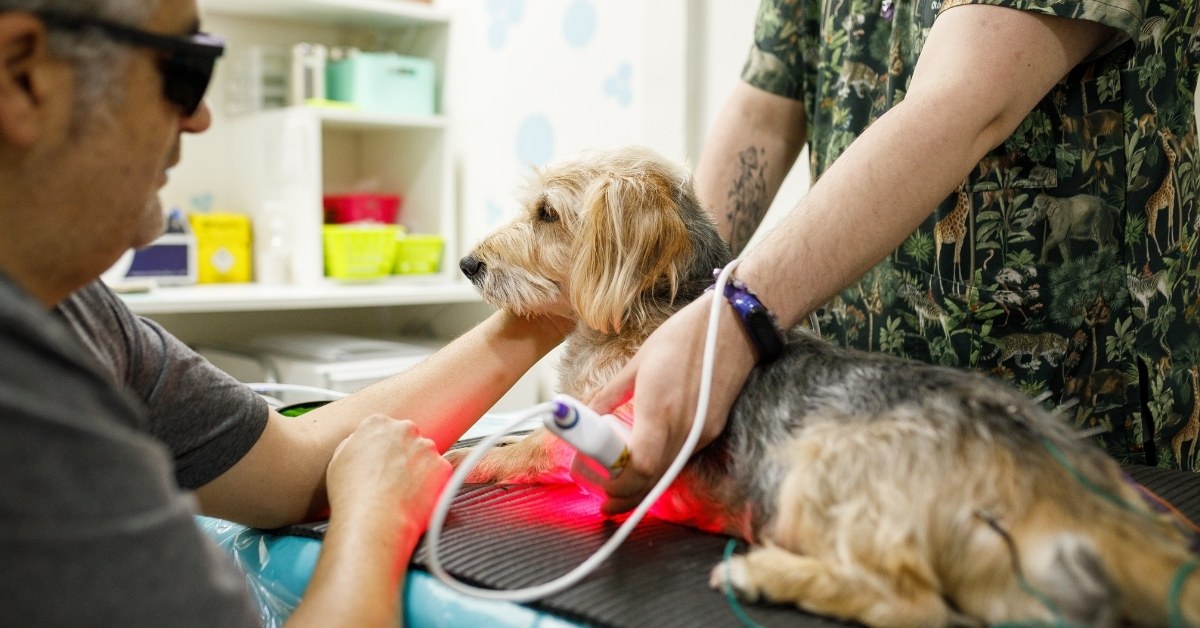
Laser therapy uses focused light to relieve pain and speed recovery. To help your pet feel better faster, we include laser therapy to promote healing after every surgery. For other conditions, our veterinary team evaluates your pet’s overall health, diagnosis, and care goals to determine if it is the right fit.
Veterinary Laser Therapy FAQs
Laser therapy plans vary according to the patient, reason for treatment, and veterinary recommendation. These answers explain what the service involves, how candidacy is determined, and why treatment schedules are individualized.
What is veterinary laser therapy?
Veterinary laser therapy uses focused light as part of a treatment plan for an eligible dog or cat. Valley Animal Hospital evaluates the patient before recommending this service and explains the intended purpose of treatment.
Can laser therapy replace other veterinary care?
Laser therapy may be considered as one part of a broader care plan. Whether it is used alone or alongside another recommendation depends on the individual patient. The veterinarian will discuss appropriate options and alternatives.
What should I expect after a laser therapy session?
Valley Animal Hospital will provide instructions based on the individual dog or cat and the purpose of treatment. Owners should monitor their pet as directed and contact the clinic if they notice an unexpected change or have questions.
Which pets are candidates for laser therapy?
Laser therapy is not automatically appropriate for every injury or illness, so a veterinary evaluation—including an exam, health history, and clear treatment goals—is required to determine candidacy.
When recommended, laser therapy can effectively support care for conditions such as:
- Arthritis and sprains
- Fractures, cuts, and bites
- Inflammation and general pain relief
- Post-surgical healing
How many laser therapy sessions will my pet need?
There is no single schedule that applies to every patient. Session frequency and the total number of visits depend on why treatment is recommended, how the plan is structured, and how the pet is doing.
What to Expect When Laser Therapy Is Recommended
The process begins with a veterinary evaluation. The veterinarian considers why treatment is being discussed, reviews the pet’s medical history, and determines whether additional examination or testing is needed. Laser therapy should not be selected solely from general online information because candidacy depends on the individual patient.
If laser therapy is recommended, the clinic will explain what the treatment is intended to address and how it fits with other care. Session length, frequency, and the overall number of visits can vary, so owners should rely on the plan provided for their dog or cat rather than expecting a standard schedule.
Owners should follow all instructions given before and after a session and report any changes or concerns. Follow-up allows the veterinarian to evaluate how the pet is doing and determine whether the plan should continue or be adjusted. Valley Animal Hospital has not provided condition-specific protocols for publication, so recommendations are made directly during the patient’s care.
Laser Therapy Within Coordinated Veterinary Care
Treatment decisions should reflect the patient’s diagnosis, history, and goals
Laser therapy may be discussed alongside wellness and preventive care, veterinary surgery, or orthopedic care when clinically appropriate. Explore all veterinary services at Valley Animal Hospital for additional information.

Individual Decisions
Recommendations are based on the specific patient rather than broad assumptions about which pets or conditions should receive laser therapy.

Ongoing Review
Follow-up gives the veterinarian an opportunity to assess the care plan and determine whether treatment should continue or change.